
Sep 11, 2026
Aged care is often framed as a sector lagging behind in technology adoption. But that narrative misses the point. The issue isn’t a lack of innovation. It is how decisions about technology are made in the first place.
A recent article featuring Talius and insights from Founder and Executive Director Graham Russell challenges this assumption directly. The real barrier to progress isn’t access to solutions; it is the complexity and inefficiency of the buying process.
Across aged care, providers are navigating a crowded and often fragmented technology landscape. There are countless systems available, each promising to improve care, streamline operations, or enhance compliance. Yet, instead of enabling progress, this abundance can lead to decision paralysis. Without clear frameworks for evaluating solutions, organisations risk investing in disconnected tools that fail to deliver long-term value.
Procurement processes themselves also play a role. Traditional approaches tend to prioritise cost over outcomes, short-term fixes over scalable strategies, and siloed systems over integrated platforms. This creates environments where technology exists, but its impact is limited. Staff may be required to juggle multiple systems, data remains fragmented, and opportunities for proactive care are missed.
This is where the conversation needs to shift.
Rather than asking whether aged care needs more technology, providers should be asking how to invest in it more effectively. The focus should move toward solutions that integrate seamlessly, provide meaningful insights, and support a more proactive model of care.
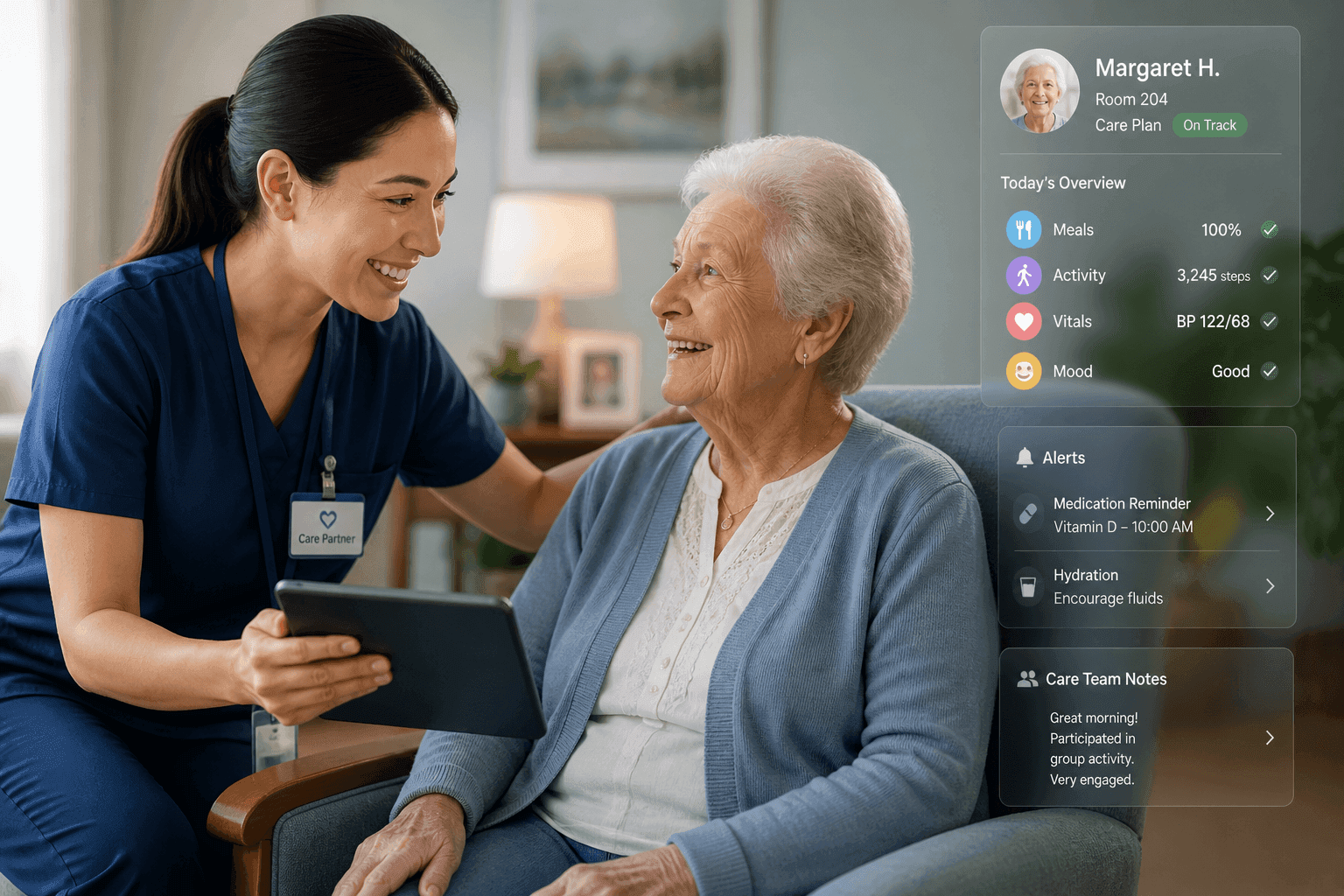
At Talius, this philosophy is central. The platform is designed not just to add another layer of technology, but to unify data and transform it into actionable intelligence. By leveraging sensor-based insights and AI, care teams can identify risks earlier, respond faster, and ultimately improve outcomes for residents. It supports a shift from reactive to preventative care, which fragmented systems struggle to achieve.
Graham Russell’s perspective reinforces a broader industry truth. Better purchasing decisions lead to better care delivery. When organisations adopt a more strategic approach to technology, prioritising interoperability, scalability, and real-world impact, they unlock the full potential of digital transformation.
The stakes are high. As demand for aged care services grows and workforce pressures increase, the sector cannot afford inefficient systems or missed opportunities. Technology, when implemented correctly, can ease these pressures, enhance resident safety, and empower staff. But this only happens when the right decisions are made at the outset.
Ultimately, solving the “buying problem” is about clarity. Clarity in understanding organisational needs, clarity in evaluating solutions, and clarity in aligning investments with long-term outcomes.
The tools already exist. The challenge and the opportunity lie in how they are chosen and implemented.
To explore these insights in more detail, including Graham Russell’s perspective and Talius’ role in shaping the conversation, read the full article here:
https://www.theweeklysource.com.au/aged-care-doesnt-have-a-tech-problem-it-has-a-buying-problem/
Learn how to grow your business with our expert advice.